01 / AUGUST–NOVEMBER 2025
BBA Bubbleball
Field Marketing Intern · San Diego
FIELD NOTES / SOUTHERN CALIFORNIA
I’m Brian Schroeder, a sport management graduate student. Follow the coast from Long Beach to San Diego to see how coaching, hospitality, and event work shaped the way I bring people together.

CSULB / SPORT MANAGEMENT
Three stops show how I put my graduate studies into practice: promoting campus events, supporting inclusive sports, and connecting an arena with its community.
01 / AUGUST–NOVEMBER 2025
Field Marketing Intern · San Diego
02 / SEPTEMBER 2025–JUNE 2026
Sports Manager Intern · San Diego
03 / STARTED SEPTEMBER 2026
Community Intern · Oceanside
CSULB / SPORT MANAGEMENT COURSEWORK
SPORTS & THE CREATOR ECONOMY / SHORT-FORM VIDEO

This was one of my favorite class projects. The assignment was to take a current sports story and make it work as a short video. I took inspiration from creators who use satire to cover sports news and turned the Kawhi Leonard and Clippers salary-cap story into a mock investigation.
The hook: I start as a Clippers fan who was having a perfectly good day. Then I switch into character as a fictional compliance investigator and explain why the story matters to fans who don’t spend their free time reading the collective bargaining agreement.
Why it matters to my career: In sports partnerships, I’ll need to explain how deals work and why they matter. This project gave me practice turning a complicated sponsorship and league-rules story into something a fan would stop scrolling to watch.
TEAM PROJECT / MOCK SPONSORSHIP PITCH
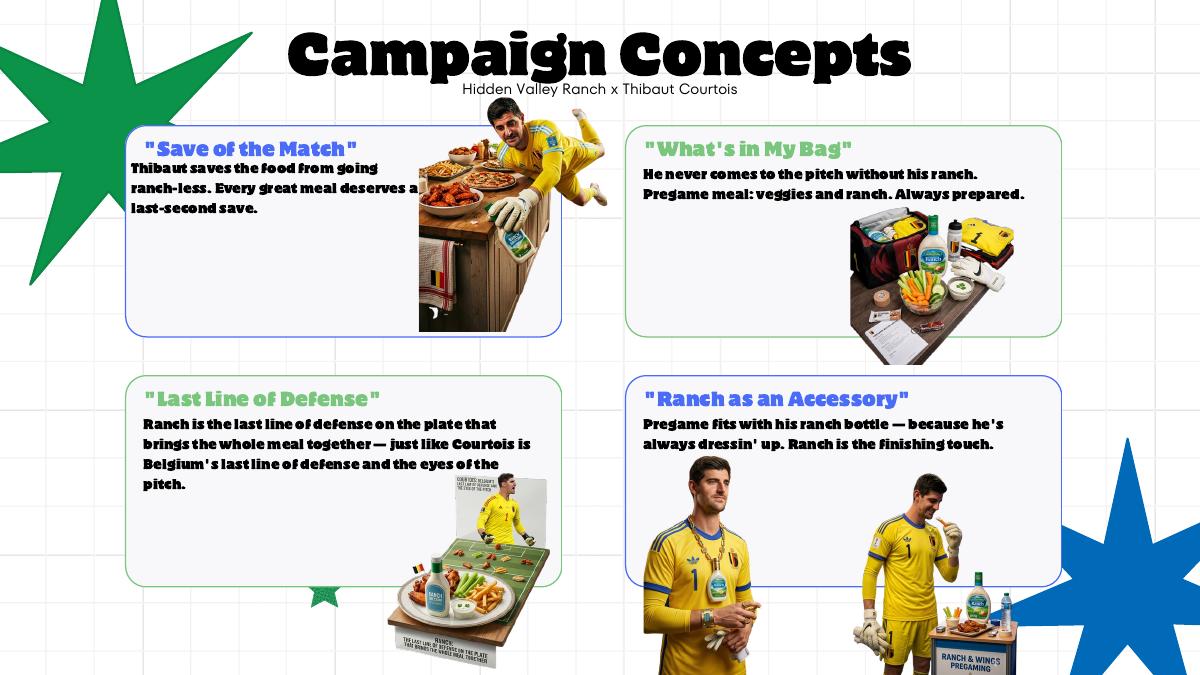
With the World Cup in the U.S., my group noticed a running joke in online clips and chats about international visitors taking ranch dressing home with them. We turned that joke into a sponsorship idea for Hidden Valley Ranch.
Our assignment was to choose from the teams still in the tournament. We picked Belgium goalkeeper Thibaut Courtois and pitched the partnership to our professor, who played the role of Courtois’s team. In “Save of the Match,” Courtois makes a last-second save for a meal that’s about to go ranchless.
We also had five minutes to come up with a second pitch for another Belgian athlete. We picked cyclist Remco Evenepoel and made the case for how the brand could work with him, too.
KN 511 / TEAM CRISIS SIMULATION
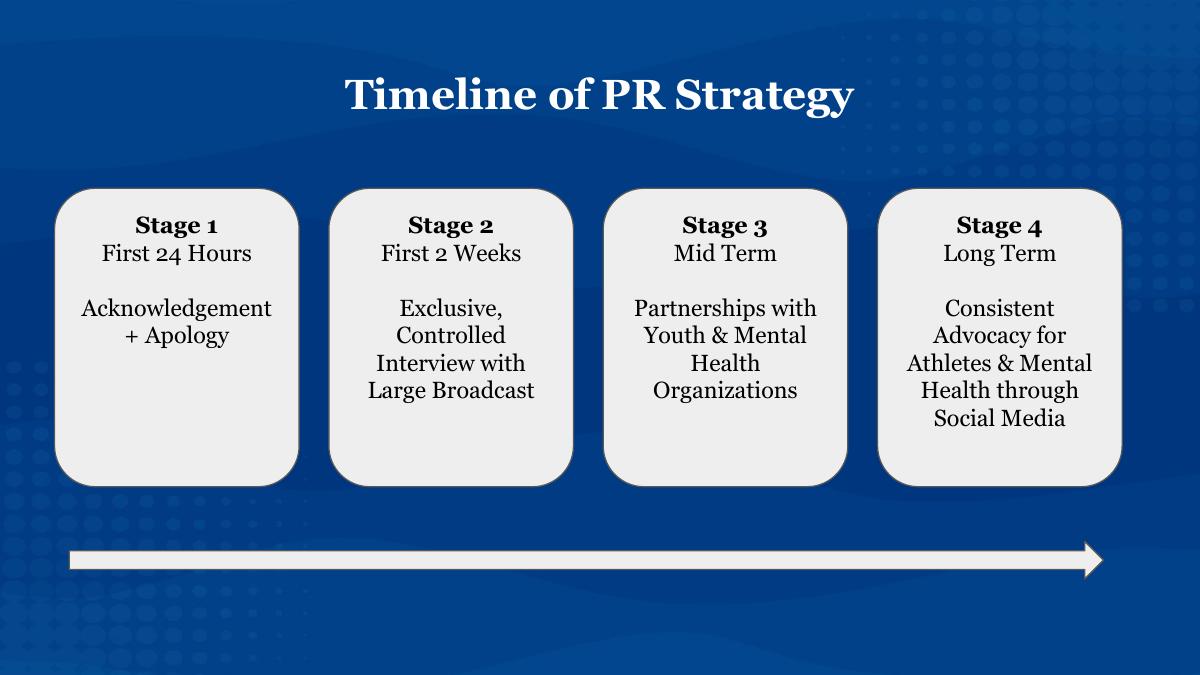
A photo becomes a headline. The athlete needs to respond, and sponsors have to decide where they stand. In this class simulation, my group stepped into the role of Michael Phelps’s support team after his 2009 cannabis controversy and built a crisis communication plan.
We mapped out what to do in the first 24 hours and how to follow through: acknowledge what happened, issue an apology, plan a follow-up interview, and propose longer-term work with youth sports and mental health organizations.
Why it matters to my career: I want to work in sports partnerships, where building a deal is only the beginning. This exercise made me think about how I’d communicate with sponsors when something goes wrong, support the athlete, and follow through after the headlines fade.
COACHING / CREDENTIALS
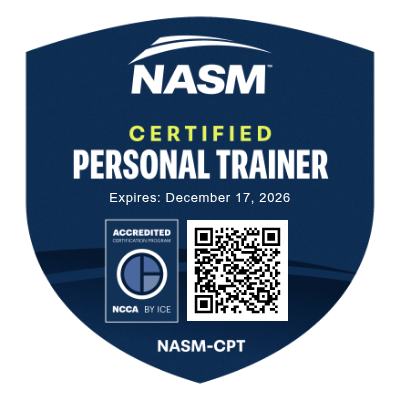
These credentials support my coaching across San Diego Premier Training and Surf Ready Fitness.
PROFESSIONAL CERTIFICATION / NASM
My current badge lists December 17, 2026 as the expiration date.
SPECIALTY CERTIFICATE / EXERCISE ETC!
I completed this specialty course on November 15, 2024. The certificate has no expiration date.
WIP / CURRENT FOCUS
What I’m working toward in sports, coaching, and community access.
01 / OPEN TO OPPORTUNITIES
I’m looking for a corporate partnerships role in sports, with an interest in sponsor activations, partner service, and community outreach. I want to help teams and brands build partnerships that show up for fans and their communities.
02 / CONTINUING EDUCATION
I’m exploring further training in Functional Movement Screen (FMS), ELDOA, and related approaches. My goal is to sharpen how I assess movement, adapt strength and mobility sessions, and explain why each exercise fits the client.
03 / GRADUATE CAPSTONE
My capstone explores how families can find and book beginner-friendly youth sports sessions without committing to a full club season. I’m working on a proposed summer pilot with local providers across basketball, soccer, volleyball, and flag football.
CROSSPLAY / SELECTED TEAM WORK
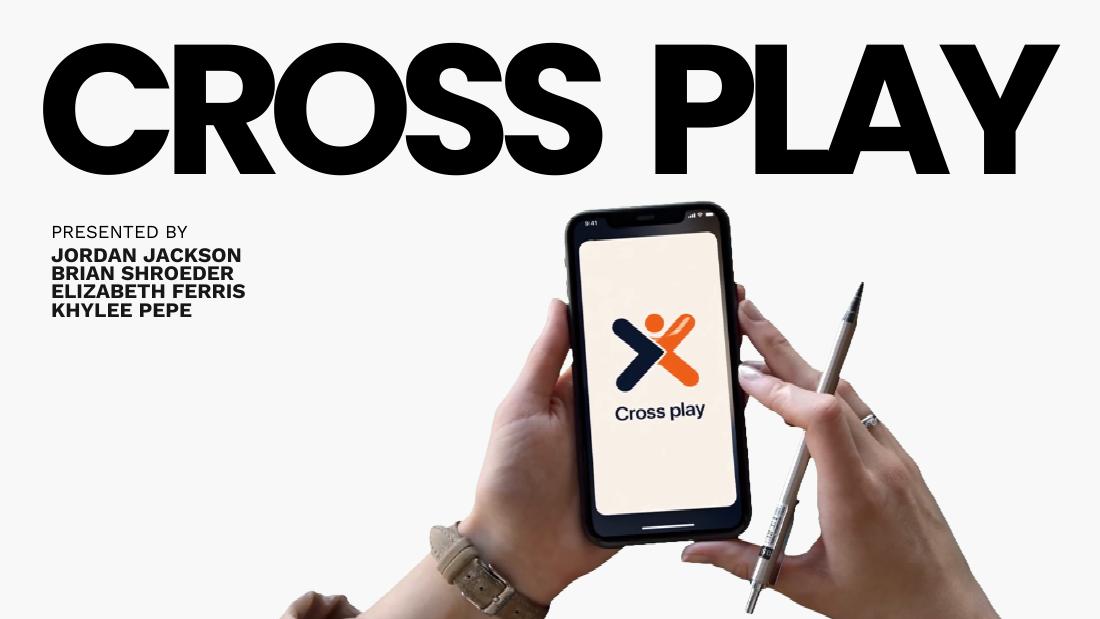
See how our graduate capstone evolved from its first pitch to industry research, pilot design, and funding scenarios.
In our first pitch, we framed the problem around rising costs, scattered program information, and unused spots. This deck shows where we started before we developed the summer pilot.
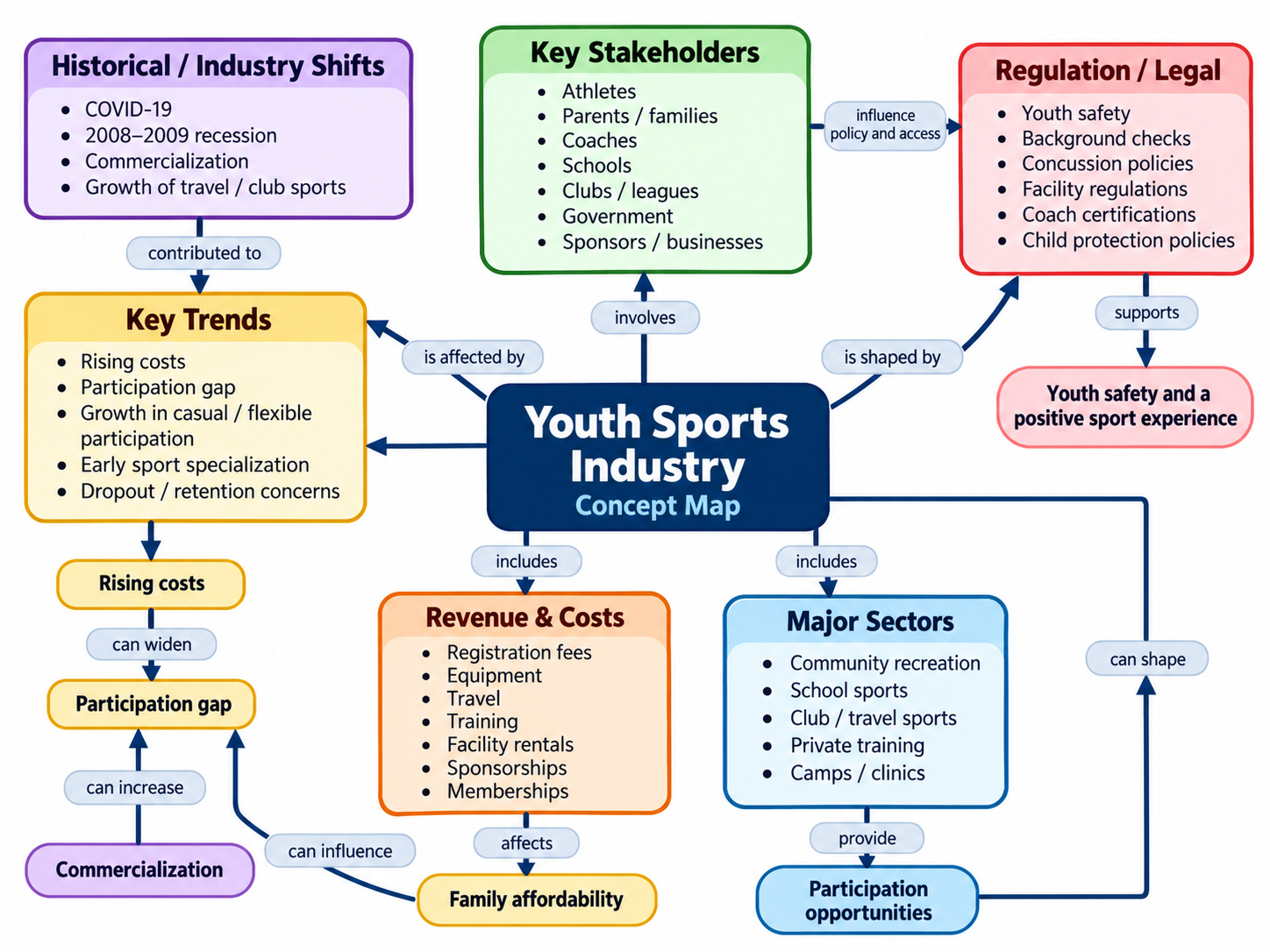
Our concept map connects industry structure and funding to what families can find, afford, and keep attending.
The youth sports participation gap grew. Among kids ages 6–17, those in households earning $100,000 or more were more likely to play sports regularly than those in households earning under $25,000. The gap widened from 13.6 percentage points in 2012 to 20.2 in 2024.
Source: Aspen Institute Project Play, State of Play 2025, using SFIA data.
Our proposed summer pass focuses on beginner-friendly basketball, soccer, volleyball, and flag football for ages 6–7, 8–10, and 11–14.
Adapted from the CrossPlay pilot planning chat and hybrid funding framework, using the updated three age groups.
We compared two hypothetical usage levels for 40 children over four weeks. Both assume providers contribute 25% of seats and funded seats cost $15 each.
| Scenario | Funded seats | Funding target |
|---|---|---|
| 2 bookings per child per week | 240 | $5,280 |
| 4 bookings per child per week | 480 | $9,240 |
The targets include a $1,200 operating reserve and 10% contingency. The difference shows why we need to confirm available seats and test likely usage before setting a pass limit.
From the CrossPlay Summer Pilot Hybrid Funding and Validation Framework. Illustrative assumptions only; no agreed prices or sponsor commitments.